
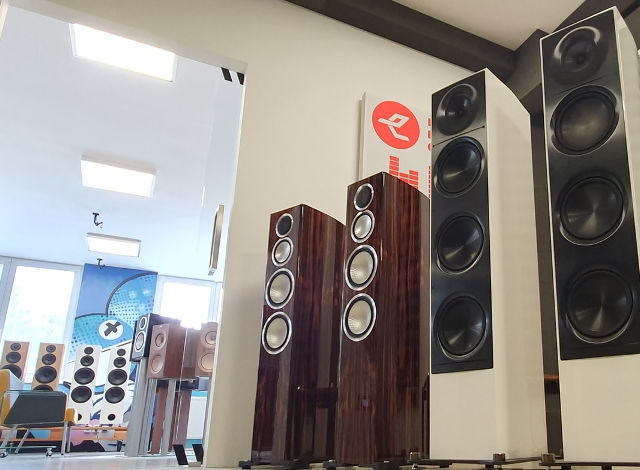
It is good to set an expectation of how long your speakers will last so you can be mentally prepared and get ready to buy new ones. High-quality speakers generally would last 10 to 20 years or slightly more. There are some which could last for decades. The longevity of your speakers will also be depended on your own usage, the HiFi audio components that they are connected to, the environment, and more.
The quality of the building parts and components of the speaker is important, as lower quality ones may fail way before the speaker completely stops working. This is especially so for cheaply priced speakers, as in order for manufacturers to keep the price affordable, the components they used are usually of low quality. You can repair or replace the failing parts and the skills of the one repairing your speaker will be important as well. With proper care and maintenance, even vintage speakers can still produce high sound quality.
The speaker’s brand and reputation are equally important, you should always check the reviews before proceeding to get them. As recent customer reviews may show signs of whether the speakers you are interested in are reliable. Always go for brands that have high reliability and are trusted by many.

Wear and tears are inevitable, but there are some direct damages that can be avoided. We will be sharing with you some of the common causes which will damage or degrade your speakers. And also some ways to improve the lifespan of your speakers.
Table of Contents
Common Causes of Damaging or Degrading your Speakers
Overpowering or underpowering your speakers may lead to damage to the voice coil and drivers. This may also cause the speakers to blow out/over-excursion. Power surges are another common way to damage your speakers and it is best to switch off the amplifier power after use. Static electricity is a common problem too and can be detrimental to your speakers’ longevity.
Speakers will produce a lot of heat especially when you are pushing them or playing at very high volume levels. If your listening room or the environment the speakers are in is not well-ventilated and is hot, there is a high probability this will lead to speaker damage and/or deterioration. Placing speakers away from direct sunlight or other high heat sources is a must.
The same goes for extreme cold and moisture, if you want your speakers to last longer, it is wise to put them inside a suitable environment. The cleanliness of your listening room is important for yourself and your speakers, too much dust may cause them to cover the ventilation of your HiFi audio components. This may cause overheating and indirectly damages your speakers. It is best to use speaker grilles to protect the speakers from children who may poke the woofers or tweeters. If your loudspeakers are using built-in amplifiers, they may cause them to stop working due to malfunction or deterioration over time. When it comes to electronic components, they are susceptible to wear and tear. For instance, the capacitors if they are not working properly might cause damage to your speaker’s drivers.
How to Increase the Lifespan of your Speakers
You should use your speakers moderately and don’t always play at very high volume levels. The amplifiers you are using must at least have a decent level of quality and could drive your speakers within their recommended amplification range. You should use power conditioners to protect against surges. If your listening room has direct sunlight projected towards your speakers, you might want to use curtains to block them. As mentioned, the environment the speakers are in plays a major role in affecting their lifespan. You should maintain a suitable environment for them by cleaning and removing dust as well as maintaining favorable humidity.

Checking for loose connections every now and then would be a good habit to protect your speakers from unnecessary damage. You can send the speakers for servicing if you find their sound quality dropping. This would help to find out any problems before it gets worse, and to resolve them such as replacing, repairing the components, etc. Physically damaging the speakers can be avoided by always handling them with care. You might want to lock your listening room when not using your sound system if you have small children running around the house. You should also protect your speakers from your pet cats if you have them.
To Conclude
How long a speaker can last is not only dependent on its build quality but also depended on you. By protecting and maintaining your speakers properly, they could last for a significant amount of time. Your speakers will also provide you with amazing sound quality and allow you to enjoy many memorable music listening experiences. Passive speakers tend to last longer than active speakers and you should get the former if the longevity of the loudspeakers is one of your main concerns.

